

When people read about „lazy eye“ (amblyopia), they usually talk about congenital cases, about critical periods of development in which vision can be restored, and if these windows are missed, the possibilities for treatment drastically decrease. However, my case shows that this is not always the case. And that sometimes, with a new approach and the courage to try, hope can be restored, even decades later.
The beginning: early childhood trauma
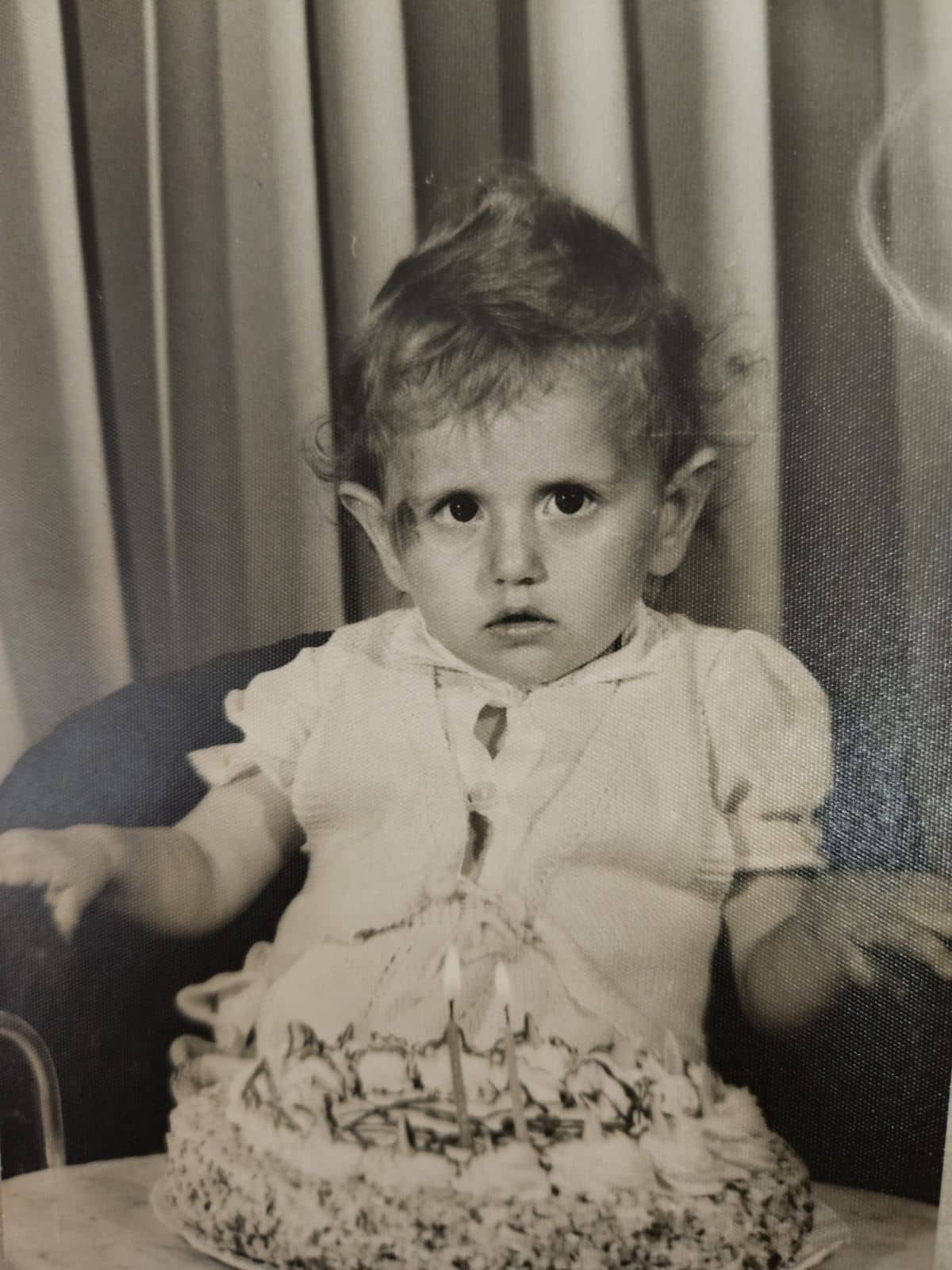
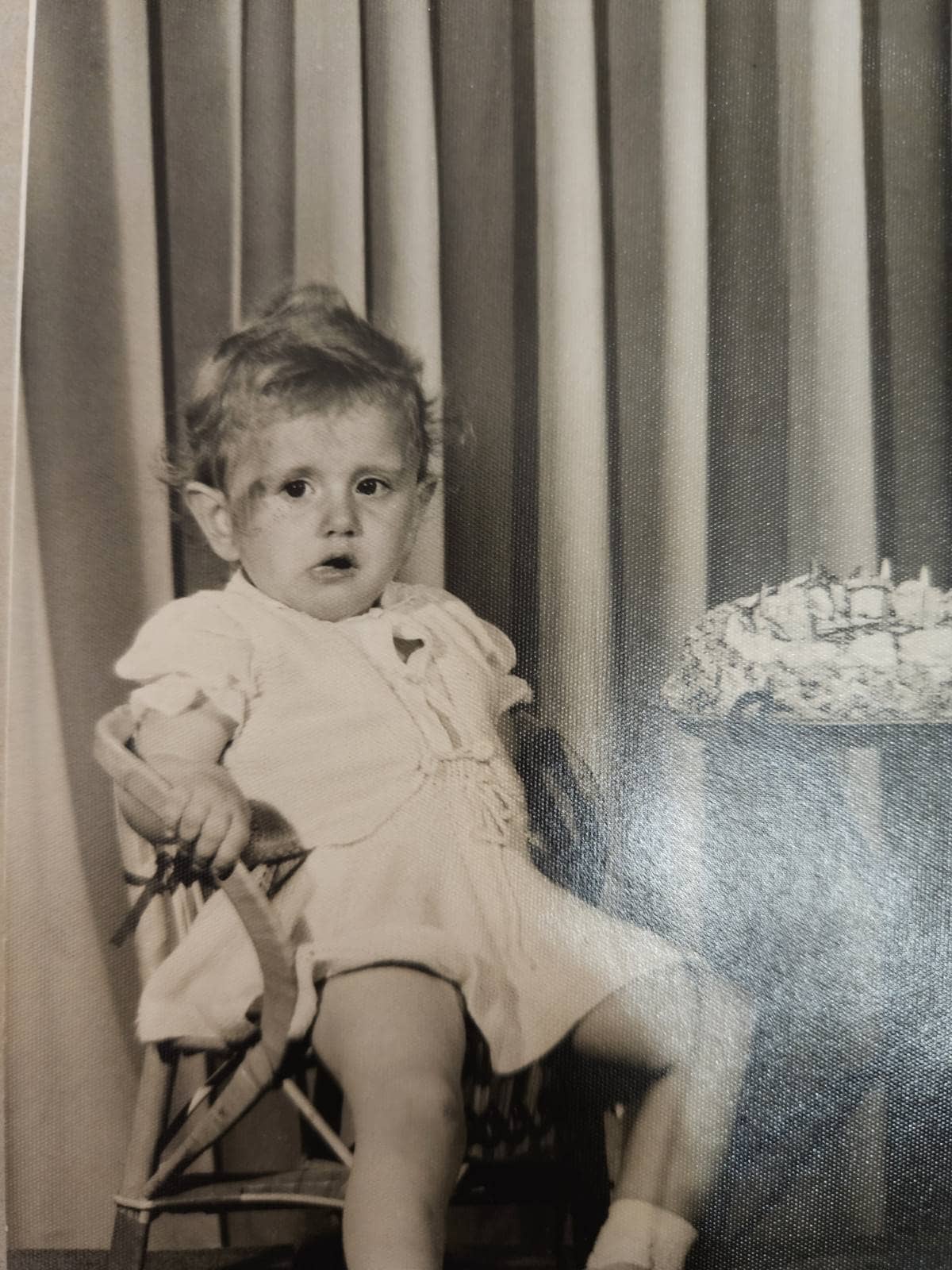
When I was two years old, exactly on my birthday, I was hit by a bicycle. I sustained a serious injury to the right side of my face, accompanied by a large wound. The event was documented in the photos from the celebration.
Soon after the incident, I started squinting. Although I didn't understand what was happening, I clearly remember being often told not to do it. Over time, my eye seemed to have „fixed“ itself, but around the age of 6-7, between 1991 and 1992, I accidentally discovered, as if playing, that I couldn't see with it as well as with my left eye.
Diagnosis without outcome
There were many consultations with various specialists. The diagnosis was clear: traumatic cataract. Everywhere we got the same answers: „Nothing can be done. It will remain this way.“ Over time, my parents gave up on searching for a solution.
The problem, of course, did not go away. Vision in the right eye remained at an approximate acuity of just 10%, and over the years, amblyopia (lazy eye) developed as a result of the prolonged lack of a clear image on the retina.
In 2006, already 21 years old, I decided on my own to undergo cataract removal surgery. The surgery was technically successful, but the functional vision did not improve – the eye was „lazy.“ Over time, I also stopped looking for new solutions.
An unexpected twist: a meeting with a new approach
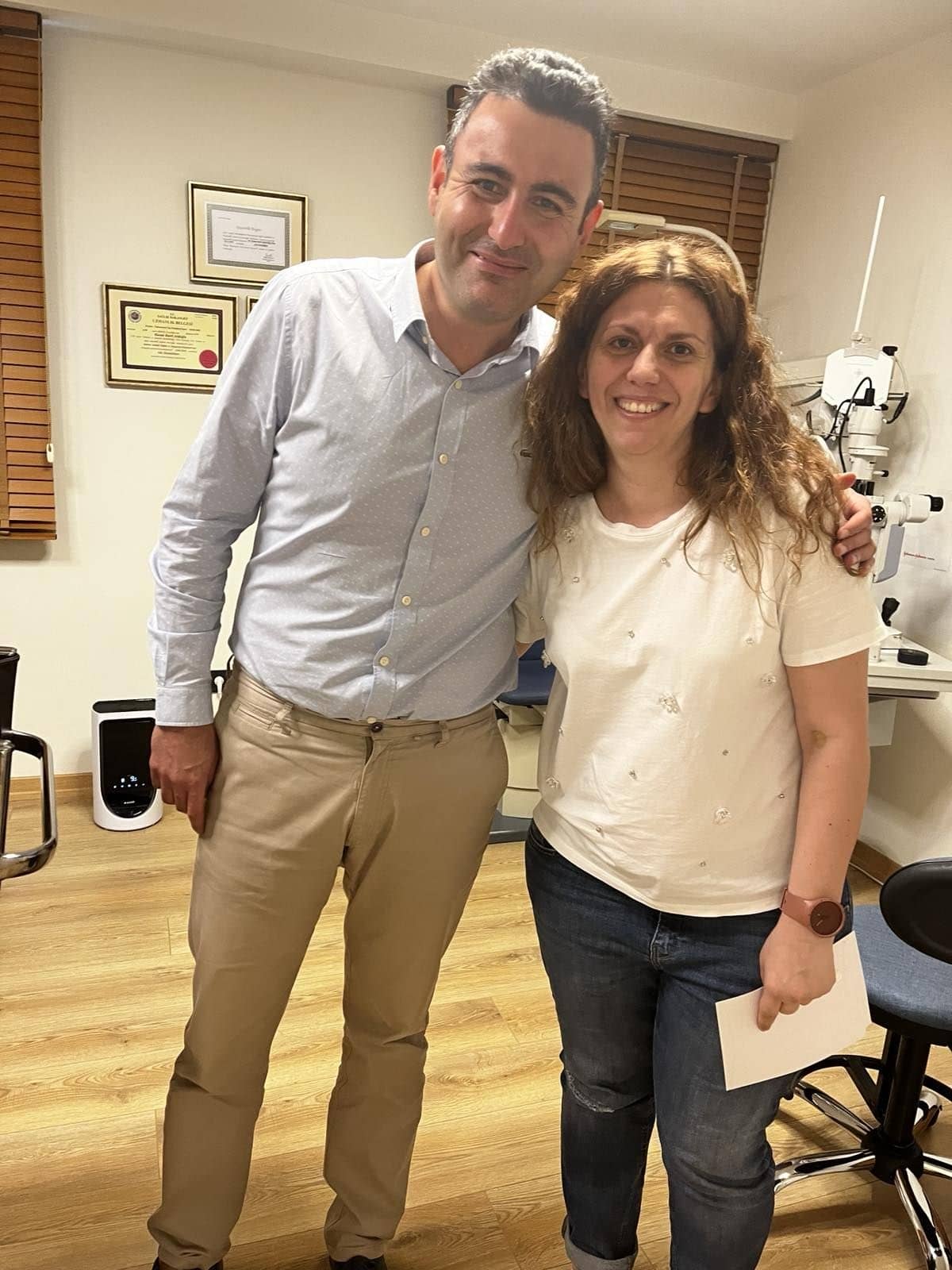
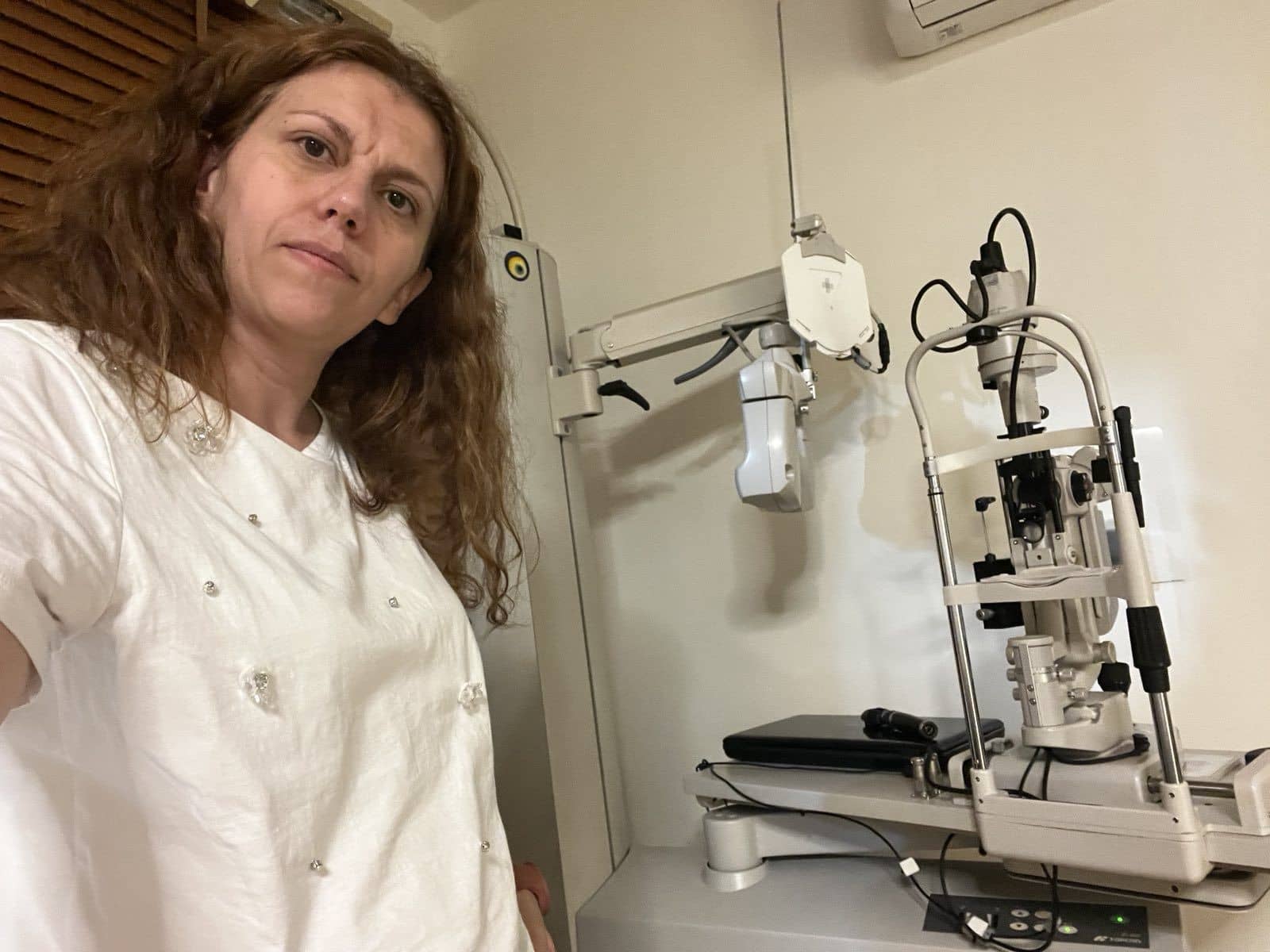
In 2023, thanks to my work as a medical coordinator at Medical Karaj Medical Information Center, I had the opportunity to meet Prof. Dr. Hasan Arıfoğlu, an ophthalmologist from Turkey. I went for an examination with him not because of a lazy eye (amblyopia), but because the myopia I've had since my school years and newly discovered astigmatism now necessitated wearing glasses, something I had been postponing until this point.
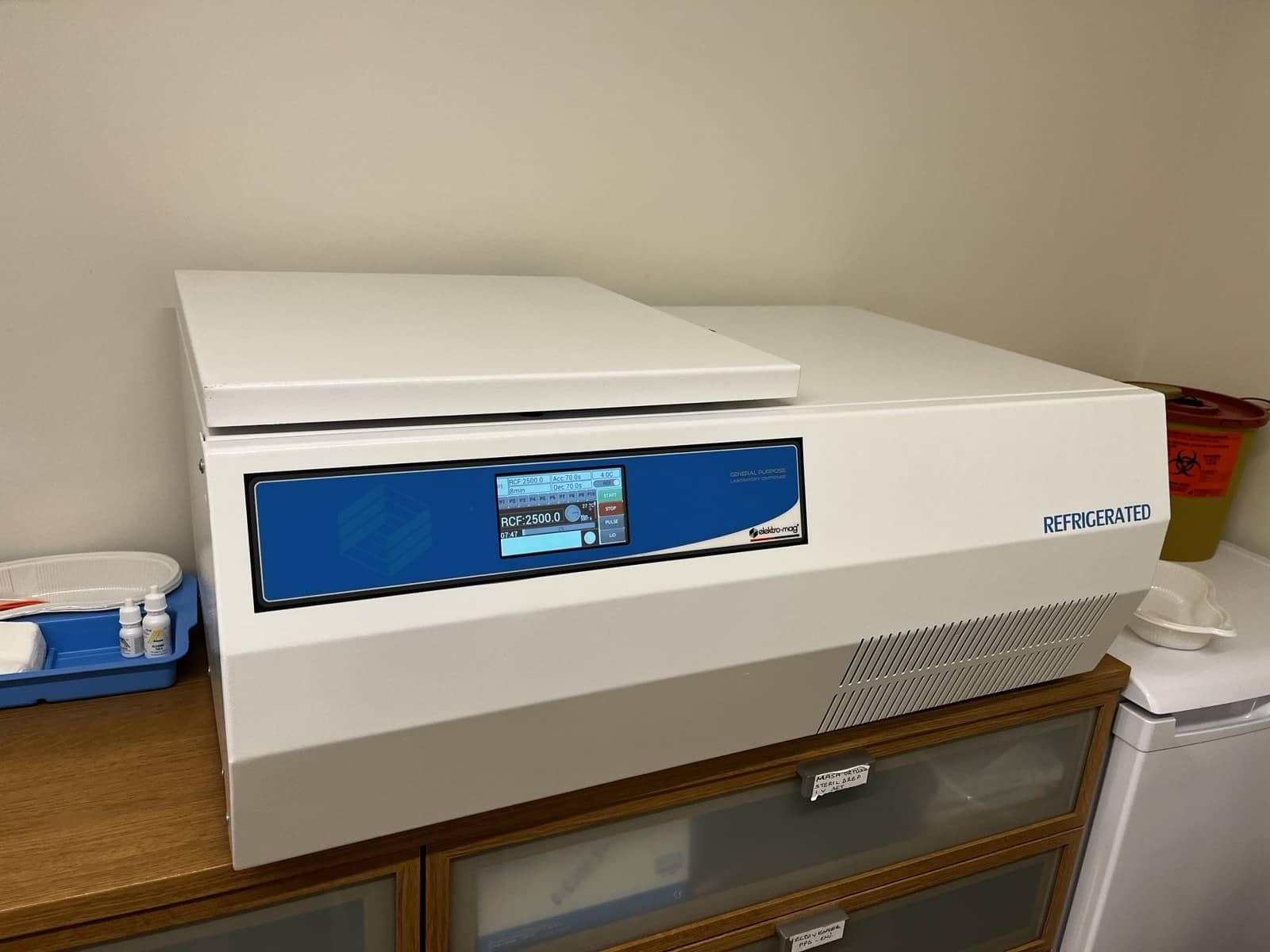
During the consultation with the professor, we discussed whether treatment with blood plasma, which he uses for various eye conditions such as glaucoma, macular degeneration, optic nerve atrophy, and others, might be suitable for my case.
Prof. Arifoglu, however, was skeptical — he had never used it on a lazy eye before. He didn't want to give me false hope. But I insisted. And I received the first injection.
Results exceeding expectations
After the first injection, I began consciously „testing“ my vision—I kept closing my healthy eye, trying to notice any change. And a change did occur. I didn’t know if I was imagining it, but something was happening. Three weeks later, the professor examined me again and saw the same thing. I could see letters that had previously been nothing more than blurry smudges. My vision was around 20%.
After three injections, my visual acuity improved to 40%. This level has remained the same to this day, more than two years later.
The professor, though initially cautious, was more excited about the results than I even was.
With unpretentious pride, I can say that I am probably the first patient in the world to have undergone PRP therapy, and the treatment was effective for lazy eye (amblyopia). After me, the professor applied the same treatment to other patients – with positive results for all of them.
Why am I telling this story?
I'm telling it not only as a patient, but also as a person and coordinator who meets people who have lost hope on a daily basis. If your child has a diagnosis traumatic or congenital cataract – don't settle for one opinion. It's been over 30 years since my case, and I've already consulted many cases of children with congenital or traumatic cataracts, whose parents are still hearing the same thing as mine: „Nothing can be done. We'll monitor the condition. It will stay like this.“
The possibilities in modern medicine are developing daily, and what is „impossible“ today might prove to be a breakthrough tomorrow. Look for alternatives. Seek a second opinion abroad. Not all hospitals and doctors have access to the same treatment options. A second opinion could lead you to more advanced treatment or one that is more suitable for your specific case. Look for your chance for better vision.
If my story inspires even one person to keep searching for a solution for themselves or their child, then it will have been worth it.