
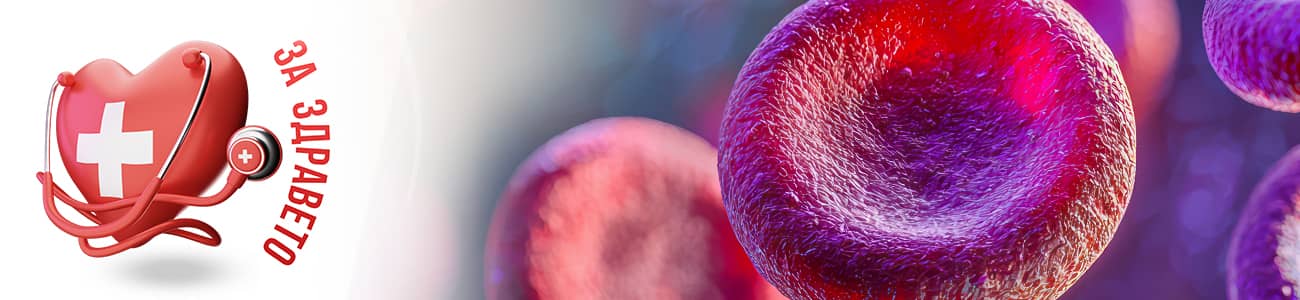
What is acquired aplastic anemia
Acquired aplastic anemia is Rare, but serious bone marrow disease, at which blood cell production drastically decreases or stops completely. The bone marrow cannot produce enough:
• red blood cells – leads to anemia and fatigue;
• white blood cells – increases the risk of infections;
• Platelets – cause easy bleeding and bruising.
In most cases, the disease is immune-mediated, i.e. the immune system attacks its own stem cells in the bone marrow.
Distribution and statistics
- Acquired aplastic anemia affects between 1 to 6 people per million annually, which makes it extremely rare.
• Found in all ages, but most commonly in young people between 15 and 35 years old and in patients over 60.
• Without treatment the disease is life-threatening, but thanks to modern therapies More than 80 % of patients achieve long-term survival.
Women and men are affected in almost equal measure.
Symptoms of aplastic anemia
Due to the lack of all types of blood cells, the symptoms are varied:
• Chronic fatigue, pale skin, shortness of breath with exertion;
• frequent infections (due to low white blood cell count);
• appearance of bruises without cause, bleeding gums or nose;
• rapid pulse, dizziness, headache.
In severe forms, symptoms can appear suddenly and progress rapidly.
Causes and risk factors for aplastic anemia
In more than 70% of the cases, the cause is idiopathic (unknown), but possible unlocking factors are:
• viral infections (hepatitis, Epstein-Barr, parvovirus);
• medications – some antibiotics, non-steroidal anti-inflammatory drugs, chemotherapy;
• exposure to toxic substances (benzene, pesticides);
• radiation or heavy metals;
autoimmune reactions.
Modern Treatment Methods
Treatment depends on the severity of the disease, the patient's age, and general condition.
Immunosuppressive therapy (IST)
- Suppressing the immune system to allow stem cell recovery.
- It is applied to patients who do not have a suitable donor for transplantation.
Bone marrow transplantation
- The only method with the potential for a complete cure.
- Applied to young patients with a suitable donor.
- It involves destroying diseased cells through chemotherapy and replacing them with healthy donor stem cells.
Maintenance therapy
- Blood transfusions, antibiotics, hematopoietic stimulating agents (G-CSF).
- Infection control and prevention of complications.
Treatment abroad
Patients with acquired aplastic anemia often choose treatment abroad because international hematology centers offer:
• High-tech diagnostics and genetic analysis, necessary for accurate assessment of the disease;
access to innovative immunotherapies и High success in bone marrow transplantation;
• Multidisciplinary care - Hematologist, transplant team, immunologist, infectious disease specialist;
• Opportunity to participate in clinical trials, unavailable locally.
Leading treatment destinations:
• Turkey – accredited (JCI) centers with experience in transplants and immunosuppressive therapy;
• Austria – highly specialized clinics for rare bone marrow diseases;
• Spain – centers with excellent results in bone marrow transplantation.
What to consider when choosing a clinic
- International AccreditationJCI, ISO, TEMOS) and proven experience with rare hematological diseases.
- Have a program for allogeneic bone marrow transplant.
- Genetic laboratory and access to immunotherapies.
- Individual post-treatment follow-up plan.
- Organizational and language support from a coordinator "Medical Karaj".
Timely treatment is crucial
In severe aplastic anemia, early initiation of therapy is critical for survival.
Rapid diagnosis, correct assessment for transplantation, and access to modern treatment abroad significantly increase the chances of a full recovery.
Why trust Medical Karagea
- We are organizing treatment abroad – from initial inquiry to stay and follow-up.
We work with leading hematology centers in Turkey, Austria, and Spain.
• We provide assistance with logistics, hotel accommodation, and constant communication with the hospital.
• We are with the patient throughout the entire process – from diagnosis to rehabilitation.
For more information:
Medical Karaj
phone. 0878 500 730 www.medikara.bg