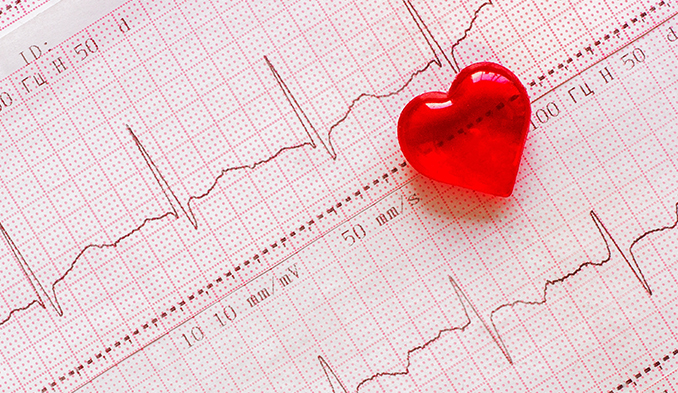

What is cardiac arrhythmia?
The heart consists of four cavities - two atria and two chambers. The normal heart rhythm is controlled by a natural "pacemaker" known as the sinoatrial node, located in the right atrium. It generates electrical impulses that start the heart beating. The impulses pass through the atria, reach the atrioventricular node, where they slow briefly, allowing the ventricles to fill with blood, then spread to the ventricular musculature and cause contractions. In this case, we are talking about cardiac arrhythmia. An arrhythmia occurs when the electrical system of the heart is not functioning properly, leading to a pulse that is too fast (tachycardia) or too slow (bradycardia). While many forms of arrhythmia are harmless, some can increase the risk of heart attack or cardiac arrest.
How is cardiac arrhythmia diagnosed?
Sometimes the arrhythmia proceeds without symptoms and is detected on routine examination. The diagnosis is confirmed by:
- Electrocardiogram (ECG) - records the electrical activity of the heart.
- Holter monitoring - 24-hour or longer heart rate recording.
- Echocardiography (ECG) - ultrasound examination of cardiac function.
- Implant the recorder - a device under the skin for continuous monitoring of rare symptoms.
- Stress test - tracking heart activity during exercise.
- Electrophysiological study - invasive study of electrical pathways in the heart.
What are the signs of arrhythmia?
Common symptoms are rapid or irregular heartbeat, chest pain, shortness of breath, feeling anxious, dizziness or fainting, unusual fatigue.
What factors increase the risk of cardiac arrhythmia?
Heart diseases such as coronary disease, heart attack or cardiomyopathy significantly increase the likelihood of arrhythmia. High blood pressure is another important factor as it leads to thickening of the heart walls and a change in electrical conduction. Abnormal thyroid function, uncontrolled diabetes, sleep apnoea and electrolyte imbalance also contribute to the disruption of normal heart rhythm. Lifestyle also plays a role - excessive consumption of alcohol, caffeine, nicotine and drugs can trigger or exacerbate arrhythmia.
Does arrhythmia differ at different ages?
Atrial fibrillation is more common in adults. In young patients, arrhythmias usually occur due to hereditary diseases, which sometimes proceed asymptomatically, but can lead to sudden death.
Does arrhythmia manifest differently in men and women?
Although scientific data are limited, there are indications of differences in risk factors between the sexes, suggesting that men and women may be affected differently.
How is cardiac arrhythmia treated?
Once diagnosed, treatment depends on the type and severity of the arrhythmia:
- In bradycardiaTreatment usually requires implantation of pacemakerwhich regulates the heart rhythm.
- In tachycardia:
- Vagal manoeuvres - techniques such as coughing or holding the breath to slow the pulse, and immersion in ice water. These methods will affect the nervous system, which will slow the pulse.
- Medicamentous treatment - medications to control heart rhythm and prevent thromboses are prescribed in many cases of tachycardia. The doctor may also prescribe blood-thinning drugs to prevent clotting.
- Cardioversion - using an electrical impulse to restore a normal rhythm.
- Catheter ablation - by radiofrequency energy, the cells causing the arrhythmia are destroyed. The procedure consists of putting high-frequency currents into the heart that return the rhythm to normal.
What are the operational methods?
In severe cases of cardiac arrhythmia, surgical intervention may be necessary, and the methods are as follows:
- Maze procedure - creating strategic incisions in heart tissue to interrupt abnormal electrical pathways. This technique is only used in patients who are not responding to other treatments.
- Coronary bypass - is placed in coronary disease accompanied by arrhythmia. Through this bypass, blood flow to the heart is improved.
What lifestyle do you recommend for cardiac arrhythmia?
The most important factor in controlling the condition remains lifestyle:
- Healthy eating - a diet low in salt and fat, rich in vegetables and fruit.
- Regular physical activity - at least 30 minutes daily.
- Smoking cessation - with the help of a doctor if necessary.
- Weight control - to reduce cardiac stress.
- Moderate alcohol consumption - no more than 1 glass for women and 2 for men daily.
- Relaxation techniques - Yoga, meditation and other anti-stress practices are extremely helpful.