

-
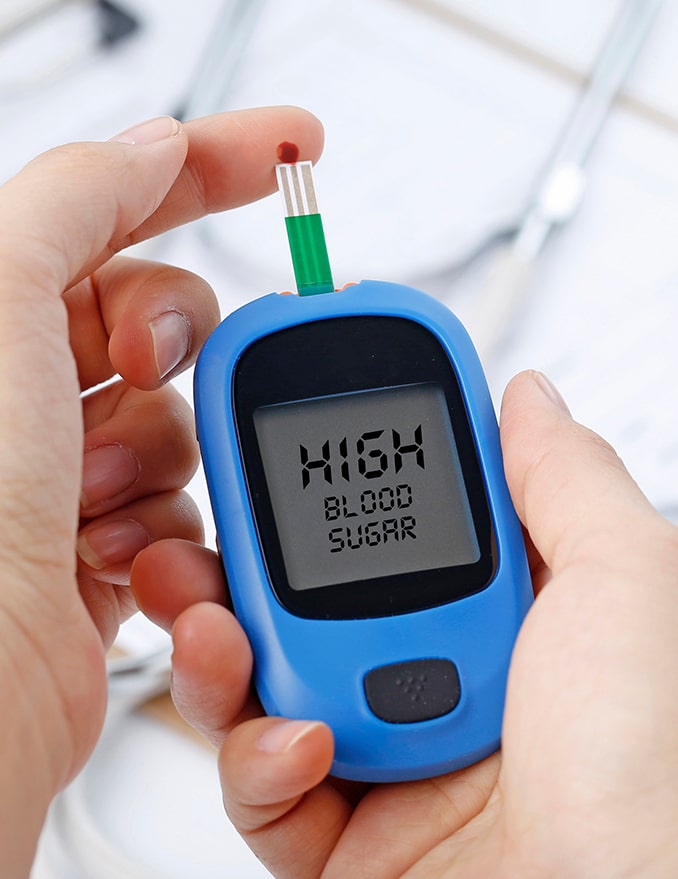
Prediabetes is a condition where blood sugar levels are higher than normal, but not high enough to be diagnosed as type 2 diabetes.
Prediabetes is a condition in which a person’s blood glucose levels are higher than normal. This condition can affect the heart, kidneys, and other organs in the human body. Early detection of prediabetes is essential so that appropriate medication can be prescribed or changes can be made to the patient’s diet and physical activity. A fasting blood glucose level above 125 mg/dl is a key indicator of diabetes. In an HbA1c blood test, a value of 6.5% or higher may also indicate diabetes. The oral glucose tolerance test is another method for detecting the disease. If glucose levels exceed 200 mg/dl during this test, this is also a sign of diabetes.
-
What are the glucose values for prediabetes?
When HbA1c levels are between 5.7% and 6.4%, this is classified as prediabetes. Normal fasting blood glucose levels are less than 100 mg/dl; when these levels rise above 100 to 124 mg/dl, this indicates that the patient has prediabetes.
-
What are the main symptoms of this disease?
When a patient is affected by prediabetes, they do not experience the main symptoms that can be caused by high blood glucose levels. However, this condition can lead to damage to various organs in the body. Problems with the kidneys, heart failure, damage to the nervous system and eyes, as well as the risk of myocardial infarction are possible. Patients in the prediabetes stage suffer from various organ system damage due to its long duration.
-
Can prediabetes be avoided?
With treatment for prediabetes, the condition can return to normal. This disease is hereditary and is passed from parents to children. If one parent has type 2 diabetes, there is about a 40% chance that their children will inherit the gene for this condition, and if both parents are affected, the chance is about 70–80%. To prevent prediabetes, it is recommended that patients lead an active lifestyle and take care of their physical health. Medication may also be prescribed as part of the treatment for prediabetes.
-
What diet is recommended for a patient with prediabetes?
When treating prediabetes, it is necessary to undergo a diet to achieve effective results. Of course, when losing weight, the most important thing is the combination of a diet with physical exercises to improve the body's strength and endurance. There are many different types of diets, but according to scientific research, the Mediterranean diet is the most suitable for this condition. Usually, for patients with weight problems, it is recommended that the daily calorie intake be approximately 300-500 kcal less than standard nutrition. This would lead to a loss of 1 to 2 kg of body fat per month.
-
Is medication treatment necessary?
There are cases when treatment through the use of medication is advisable for the patient. Undergoing a diet with the aim of taking a smaller number of calories than usual is quite sufficient as a treatment in some patients. The diet should also be combined with various exercises necessary for the health of the body.