

What is CAR T-cell therapy?
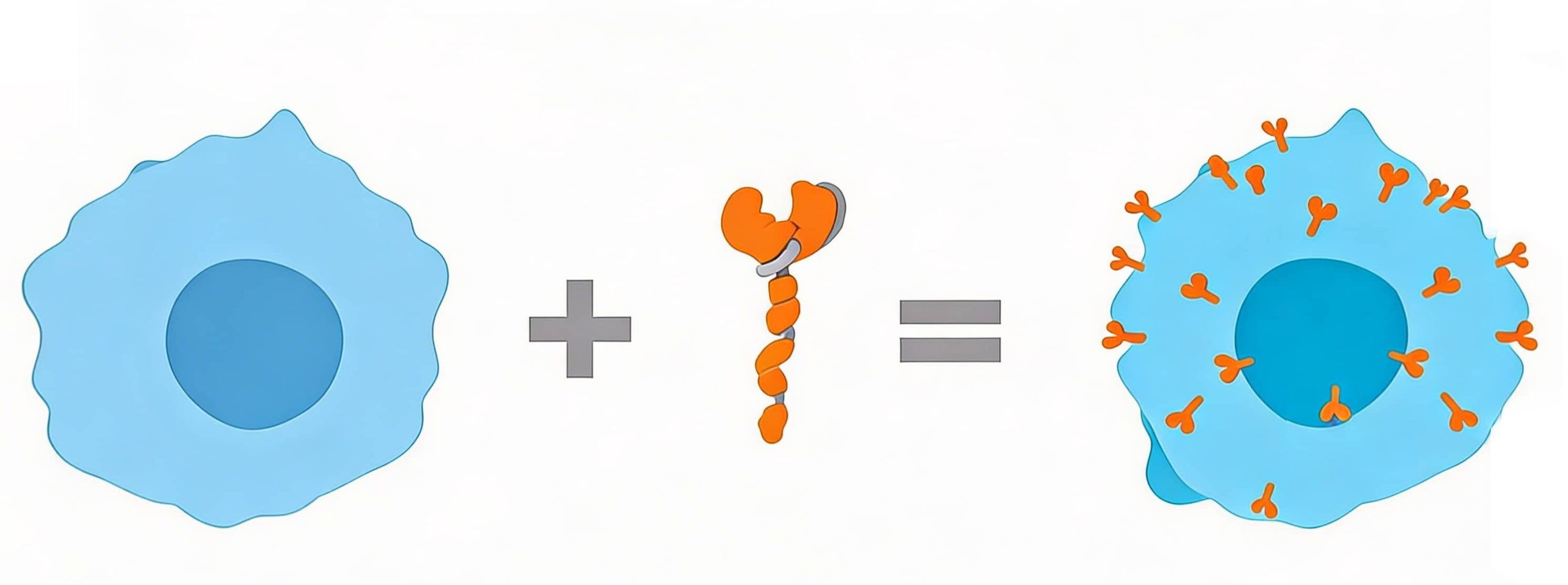
CAR-T cell therapy (Chimeric Antigen Receptor T-cell) is a type of immunotherapy in which a patient's T-cells are genetically modified to recognize and destroy cancer cells. This approach is particularly effective for hematological malignancies, such as acute lymphoblastic leukemias and B-cell lymphomas.
Mechanism of Action of CAR-T Cell Therapy
- T-cell collection: Through leukapheresis, T-cells are extracted from the patient's blood.
- Genetic modification T-cells are modified in the lab to express chimeric antigen receptors (CARs), which allow them to recognize specific antigens on cancer cells.
- Reproduction Modified T-cells are expanded to the required quantity.
- Infusion After preliminary chemotherapy to reduce lymphocytes, CAR-T cells are infused back into the patient.
- Attack on cancer cells: CAR-T cells recognize and destroy cancer cells that express the target antigen.
CAR-T cell therapy – approved options (as of 2025)
There are seven approved CAR-T therapies targeting different types of blood cancers:
- Tisagenlecleucel (Kymriah): For acute lymphoblastic leukemias and diffuse large B-cell lymphoma.
- Axicabtagene ciloleucel (Yescarta): For B-cell lymphomas.
- Lisocabtagene maraleucel (Breyanzi): For diffuse large B-cell lymphoma.
- Brexucabtagene autoleucel (Tecartus): For mantle cell lymphoma.
- Idecabtagene vicleucel (Abecma): For multiple myeloma.
- Ciltacabtagene autoleucel (Carvykti) For multiple myeloma.
Current and future applications of CAR-T cell therapy
Solid tumors
Despite challenges such as tumor heterogeneity and the immunosuppressive environment, research into CAR-T therapy for solid tumors continues. New approaches, such as „armored“ CAR-T cells, show promising results in overcoming these barriers.
Autoimmune diseases
CAR-T therapy is being investigated as a potential treatment for autoimmune diseases such as lupus, multiple sclerosis, and type 1 diabetes. Clinical trials indicate that the therapy may induce remission in patients with severe forms of these conditions.
Side effects and risks of CAR T-cell therapy
- Cytokine release syndrome (CRS): It manifests with fever, low blood pressure, and organ dysfunction. Treatment includes tocilizumab and corticosteroids.
- Neurotoxicity (ICANS): Symptoms such as confusion, seizures, and headache. Usually temporary but requires close monitoring.
- B-cell aplasia Especially with CD19-targeted therapies, immunoglobulin replacement therapy may be necessary.
- GVHD Risk: Rare in autologous therapy, but possible in allogeneic CAR-T therapy.
- Tumor Lysis Syndrome (TLS): It can lead to electrolyte imbalance and kidney dysfunction.
Future guidelines
- Allogeneic (donor) CAR-T cell therapy: „Off-the-shelf“ therapies are being developed that do not require individualization for each patient, which can speed up treatment and reduce costs.
- Dual-targeted CAR-T cells Therapies targeting more than one antigen, such as CD19 and BCMA, show increased efficacy and reduced risk of relapse.
- CAR-NK therapy The use of natural killer (NK) cells offers a potentially safer alternative with a lower risk of side effects.
- Gene-editing technologies: Integrating technologies like CRISPR to improve the efficacy and safety of CAR-T therapies.
- Combination therapies: CAR-T therapy is combined with checkpoint inhibitors (PD-1/PD-L1), which can improve treatment outcomes for solid tumors.
By 2025, CAR-T cell therapy continues to evolve as a powerful tool in the fight against cancer and autoimmune diseases. With advancements in technology and expanding applications, it offers new hope for patients with hard-to-treat conditions.