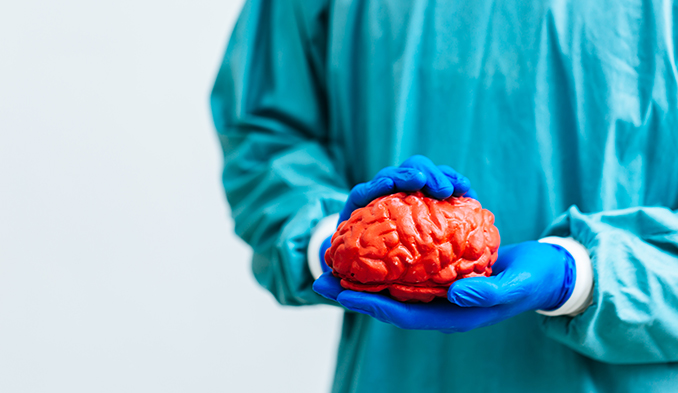

Prof. Dr. Wilfried Lang, a neurology specialist at Wiener Privatklinik, discusses diagnosing dementia.
- How is dementia diagnosed?
Dementia and its causes can be diagnosed in three different ways:
- Neuropsychological and clinical assessment,
- Functional and structural imaging of the brain,
- Cerebrospinal fluid examination.
- Can patients be diagnosed with dementia without having symptoms?
Biomarkers beta-amyloid 42, tau, and phospho-tau found in cerebrospinal fluid, if at low levels, can be used for early detection of neurodegeneration. Nuclear magnetic resonance and measurement of regional cerebral blood flow using positron emission tomography can also track functional and structural changes in the brain. Another method for early detection is non-invasive imaging of biological markers in the brain. This is done through amyloid PET scans. Thanks to innovations, even tau protein is now being imaged.

- The earliest sign of dementia is often memory loss, especially difficulty remembering recent events or newly learned information.
Forgetfulness is the most sensitive clinical symptom.
- What are cognitive tests for assessing functions and memory?
The most popular neuropsychological test is the Mini Mental State Examination, which assesses orientation, verbal memory, visuospatial construction, and language function. Another test is the NTBV, which, in addition to the aforementioned, tests executive functions and attention.
- When diagnosing dementia, what are the steps that follow an alarming result on these tests?
The most important thing is to consult a neurologist who can assess the patient's cognitive functions and memory. They should be checked for depression and sleep disorders. Brain imaging and a neuropsychological examination should then be performed. We have cholinesterase inhibitors and memantine for the treatment of Alzheimer's disease, but their effect is limited.