
Bone marrow transplant – what the procedure entails
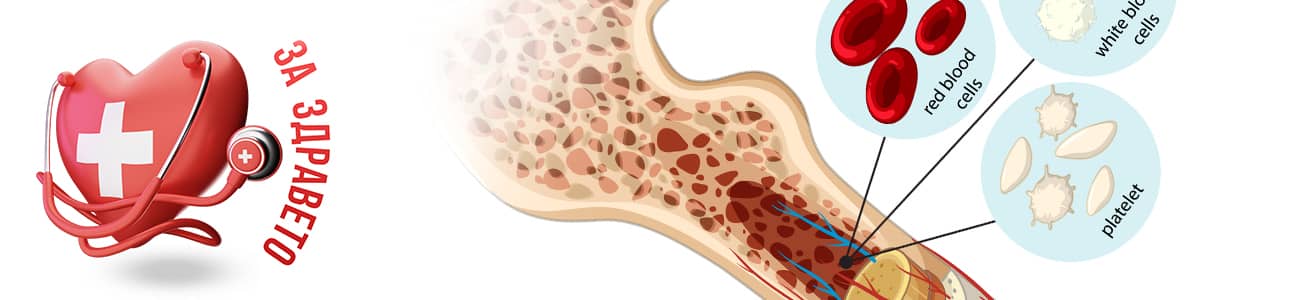
Bone marrow transplant, also known as Hematopoietic (blood-forming) stem cell transplantation, is a procedure in which healthy cells are introduced into the patient's body to replace damaged bone marrow.
This therapy is used for a range of hematological diseases - such as Leukaemia, lymphoma, multiple myeloma и aplastic anemia.
The main goal is to restore normal blood formation and immune function after high-dose chemotherapy.
Types of bone marrow transplant
- Autologous transplantation
• Stem cells taken from the patient are used.
Cells are collected and stored before high-dose chemotherapy, and then returned.
• Most commonly used for multiple myeloma and some lymphomas.
The risk of complications is lower because the cells are autologous. - Allogeneic transplantation
Stem cells are taken from donor – usually a relative or a suitable volunteer.
• Donor cells create a new immune system and can destroy remaining cancer cells („graft-versus-tumor effect“).
• Used for leukemias, severe lymphomas, and some rare diseases.
• Carries a higher risk of complications and requires strict monitoring.
When is transplantation applied
Bone marrow transplantation is recommended when:
• standard treatment does not achieve complete remission;
• the disease has a high risk of recurrence;
The goal is to achieve long-term disease suppression.;
The patient is in good general condition for the procedure.
At multiple myeloma Autologous transplantation remains the „gold standard“ for eligible patients, while in Acute leukemia or lymphoma Allogeneic transplantation from a compatible donor is often applied.
How does the bone marrow transplant procedure take place?
- Stem cell collection – cells are extracted from the blood of the patient or donor through a special apparatus (apheresis).
- High-dose therapy - chemotherapy, which destroys diseased cells and prepares the bone marrow.
- Stem cell infusion - The collected cells are infused intravenously, similar to a blood transfusion.
- Recovery stem cells begin to populate the bone marrow and produce new blood cells.
- Tracking and rehabilitation - The patient remains under close observation to prevent infections and complications.
Risks and complications
- Lowered immunity and risk of infection;
- Temporary anemia and thrombocytopenia;
- Nausea, loss of appetite, and fatigue;
- In allogeneic transplantation – Graft-versus-host disease (GvHD);
- Need for ongoing medical care and monitoring.
Despite the risks, transplantation remains one of the most effective and potentially life-saving therapies in hematological diseases.
Treatment abroad with bone marrow transplantation – access to the highest level of transplant medicine
- Turkey – accredited centers (JCI) with extensive experience in autologous and allogeneic transplants, including in pediatric patients.
• Austria – established programs with internationally recognized transplant teams.
• Spain – High results in combination therapies and clinical trials.
Advantages of medical treatment abroad:
• access to innovative medicines and clinical trials;
• Personalized approach – treatment according to genetic profile;
• shorter preparation and admission time;
• Comprehensive care – hematologist, transplant specialist, immunologist, infectious disease specialist.
What to consider when choosing a clinic
- International AccreditationJCI, ISO, TEMOS).
- Experienced team of Stem cell transplantation.
- Availability of Sterile treatment department and a high-tech laboratory.
- Program long-term tracking after transplantation.
- Language and organizational support from a coordinator "Medical Karaj".
Timely transplantation can save lives
With proper patient selection and timely preparation, transplantation provides long-term remission and better survival.
Early referral to a highly specialized center and coordinated medical treatment abroad increase the chances of success.
Why trust Medical Karagea
- We are organizing treatment abroad – from inquiry to stay and follow-up care.
We work with leading centers for oncohematology and transplantation in Turkey, Austria, and Spain.
• We provide translation of medical documentation, logistics, accommodation, and constant communication with the attending medical team.
• We support the patient in every phase – before, during, and after treatment.