
Recurrent tumors in the lung: a new challenge
Lung cancer (lung tumors) remains the most commonly diagnosed oncological problem and a leading cause of cancer-related mortality. However, in recent years, specialists have registered a worrying trend. An increasing number of patients are developing multiple tumors within the same lung – sometimes simultaneously, sometimes over time. This phenomenon, known as multiple primary lung cancer, presents new challenges for diagnosis and therapy. (indicates international consensus published in the journal Med)
The position of international experts
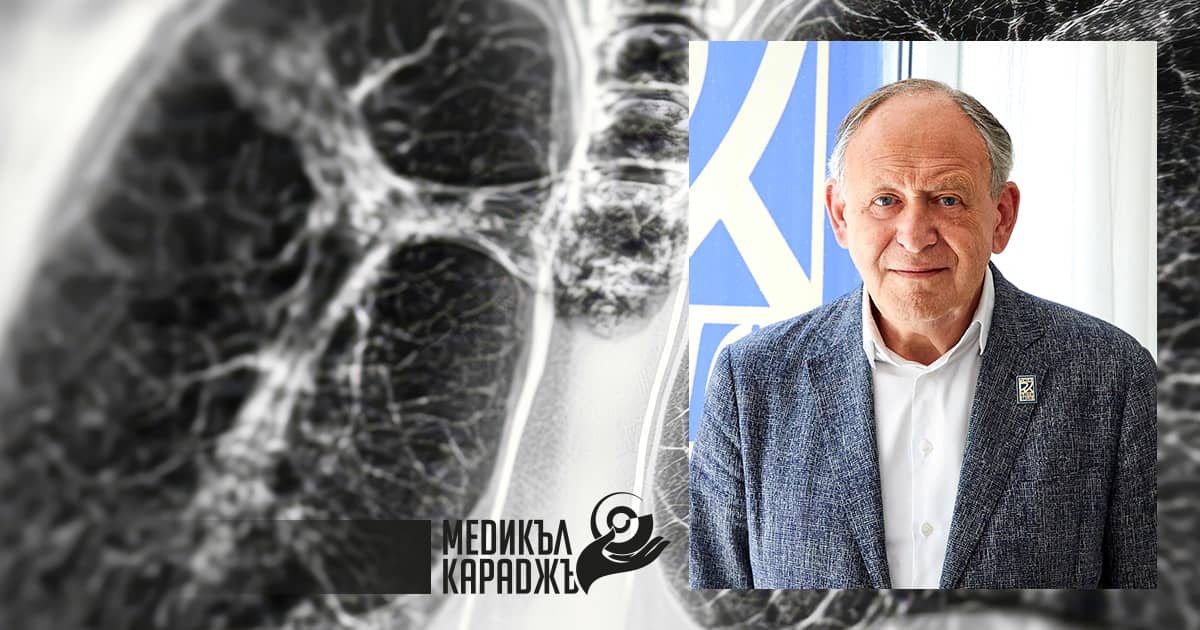
A document prepared by 38 specialists from eight different countries emphasizes the need to harmonize diagnostic and treatment approaches for similar cases of recurring lung tumors. One of the lead authors is Prof. Dr. Christoph Zielinski. He is a recognized oncologist of international renown and the director of Wiener Privatklinik in Vienna.
Diagnostics: A Key Factor for Survival
The main challenge is to distinguish between several independent primary tumors and metastatic spread from an already existing neoplasm. According to the study, an accurate diagnosis is crucial for selecting therapy and for the patient's prognosis. If correctly identified, some of these tumors can be surgically removed with a good chance of complete cure.
Screening and technologies as a driving force
The increased number of diagnosed cases is largely due to the widespread use of high-resolution computed tomography and national screening programs. However, experts emphasize that the interpretation of results requires the involvement of various specialists. The spectrum ranges from radiologists and pathologists to molecular biologists and oncologists.
Limitations of outdated methods
One of the serious warnings in the analysis is that incorrect conclusions are often drawn based solely on imaging diagnostics and symptoms. Therefore, the use of modern techniques such as NGS (next-generation sequencing), PET-CT scanning, and tumor molecular profiling is recommended. Such analyses can show that two different tumors with different genetic mutations – for example, one with an EGFR mutation and the other with a KRAS mutation – actually arise independently of each other.
Multidisciplinary Care – Essential
Approximately 25% of lung cancer patients may have multiple tumor foci, including those that initially go unnoticed. This necessitates the formation of integrated diagnostic and therapeutic teams comprising specialists from various fields. Only in this way can an accurate diagnosis and timely selection of treatment be ensured. This will improve patients’ prognosis and quality of life.
Cited expert: Prof. Dr. Christoph Zielinski, Medical Director of Wiener Privatklinik and Professor of Medical Oncology, is among the world's most cited scientists according to a ranking by Stanford University.