

What is a LINAC device? What diseases is it used for?
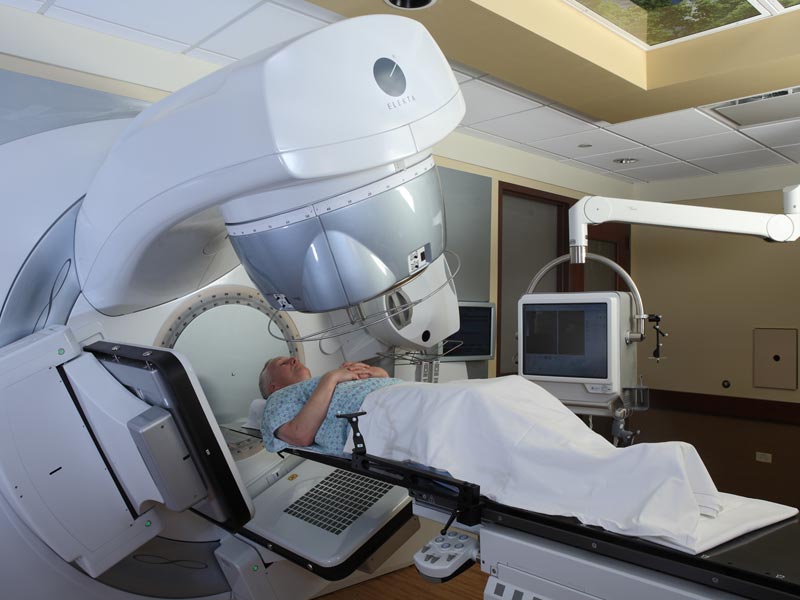
The LINAC (linear accelerator) device is a high-tech radiotherapy device that can deliver high-energy X-rays or electrons. In other words, „artificial radiation“ – at different angles and with varying durations, depending on the shape of the target tumor area. Simultaneously, surrounding healthy tissue is protected.
These devices can be used for radiation therapy on almost all tumors that can be observed in any part of the body – primarily in the lungs, prostate, breast, bones, brain, liver, skin, head and neck, as well as abdominal organs. The goal of radiation therapy is to neutralize cancerous tissues with a maximum radiation dose, while minimizing the radiation dose to surrounding healthy tissues – in other words, to complete the treatment with zero or minimal side effects. In summary, a balance must be struck between benefits and risks.
How is treatment planned and implemented?
The radiation dose and the number of treatment sessions are determined by the radiation oncologist. The type of treatment, technique, radiation dose, and overall treatment duration may vary depending on patient and tumor characteristics. During treatment, X-rays or electrons are applied externally to the target area without surgery or an interventional procedure.
During treatment planning, artificial X-rays generated by a LINAC device can be applied at various angles and for different time intervals, and are adapted to the 3D shape of the tumor. Furthermore, with the help of imaging and specialized LINAC software, both target areas and surrounding healthy tissues are monitored to ensure that treatment is applied precisely to the correct location under appropriate conditions, and the risk of side effects is minimized.
During treatment, only the patient is in the room. The room is specially designed for the device used, according to global standards, and is shielded to prevent radiation leakage outside. Radiation therapists remotely monitor the patient via monitors in the control room, where the device's console is located. During this time, they operate the device, stop treatment if necessary, and report any unusual situations to the medical physicist and the attending radiation oncologist.
Is preliminary preparation necessary before linac treatment?
After the specialist decides on radiation therapy, the preparatory stages are sequentially carried out in accordance with the treatment plan.
First, patients receive verbal and written information about the upcoming procedure. The effectiveness of the treatment, possible side effects are explained, and informed consent is obtained from the patient. Recommendations for hygiene, lifestyle, and nutrition are given – before, during, and after the treatment.
Next are the simulation and immobilization (fixation) stages, tailored to the upcoming treatment. For planning purposes, a CT scan is performed, and fixation devices suitable for the patient are selected. Examples include: a thermoplastic mask for the head and neck for tumors in this area, a lung and abdomen couch, an incline breast couch, knee/elbow bolsters, leg rests, a vacuum mattress, etc. A key aspect of this stage is for the patient to be able to remain in the same position during each session. Therefore, positioning and stabilization must be both comfortable and reproducible. Depending on the type of treatment, a special regimen for a full/empty bladder or stomach may be necessary. Patients receive instructions on these matters as well, if required.
After the simulation images are captured, the contouring and planning phase begins. The simulation tomography data is transferred to the computers for contouring and planning. Tumor tissues and healthy organs near the treatment area are manually outlined using these images. Overlaying (fusion) with MRI or PET/CT images can also be performed to more accurately delineate tumors and organs at risk. Taking into account the characteristics of the tumor, the radiation tolerance of the surrounding healthy tissues, and the individual peculiarities of the patient, medical physics specialists create various treatment plans.
What is being chosen?
Of all the plans created, the one chosen is the one that is most suitable for the patient – the one where the dose to healthy tissues is the lowest, and the dose to the tumor is therapeutic, meaning side effects are minimized while maximizing disease control.
After quality tests are performed on the selected plan, the patient is given an appointment for the first day of treatment (positioning). Prior to the start of treatment, a snapshot is taken and compared with the simulation images. If necessary, corrections are made by the radiation therapist, and the patient is positioned with millimeter accuracy. During each session, a check is performed and, if necessary, a correction is repeated.
How long does the treatment last?
With modern LINAC devices, standard therapies are administered every weekday, meaning 5 times a week. Each session lasts approximately 15–20 minutes. Furthermore, stereotactic („point“) therapies are often used in clinical practice – daily, 2 or 3 times a week depending on the condition. Compared to conventional methods, stereotactic therapies have a higher daily dose but a shorter overall treatment duration. Daily sessions can last an average of 30–45 minutes.
What are the side effects of LINAC?
Side effects may appear during or after treatment. They are usually observed only in the irradiated area and can be managed with medication. Possible reactions depend on the treated area. It is best for patients to discuss potential side effects with their oncologist.
Early diagnosis saves lives.
Regular check-ups and consultations with a doctor are essential.
You can contact us to learn more about treatment options abroad with the LINAC device: 0878500730.