

Hyperlipidemia: What it is and how to control it, explained by endocrinology specialist at Wiener Privatklinik Prof. Dr. Anton Luger
What is hyperlipidemia?
Hyperlipidemia is a condition in which lipid levels in the blood exceed normal limits. Most commonly, total cholesterol, LDL („bad“ cholesterol), HDL („good“ cholesterol), and triglycerides are tested. In certain cases, additional tests may be necessary for a more in-depth analysis.
What are the recommended cholesterol levels?
Target LDL cholesterol values are determined by the presence of various risk factors such as diabetes, high blood pressure, family history, and advanced age. Patients with higher risk should maintain lower cholesterol levels through regular monitoring and appropriate measures.
How is hyperlipidemia diagnosed?
The diagnosis is made based on blood tests. The limits for total cholesterol are 190 mg/dL, and for LDL cholesterol - 130 mg/dL in people without other risk factors. Triglycerides should not exceed 150 mg/dL.
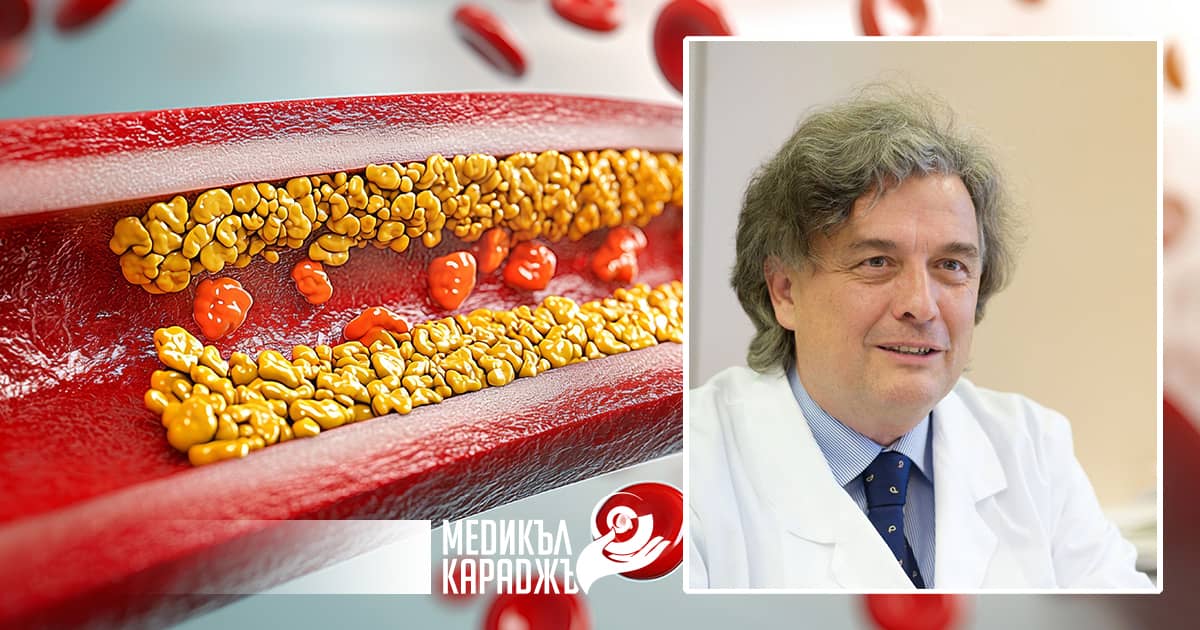
What are the causes of elevated lipid levels?
Genetic predisposition is among the main factors for the development of hyperlipidemia. In addition, lifestyle has a significant influence – unhealthy diet, sedentary lifestyle, excessive alcohol consumption, and overweight increase the risk.
High blood lipids generally do not have symptoms.
Hyperlipidemia usually proceeds without pronounced symptoms, which makes it difficult to detect in the early stages. The only reliable method for detecting the problem is through regular blood tests.
Does being overweight affect cholesterol levels?
High cholesterol is often found in overweight people, but it can also be found in people with normal body weight. Genetic predisposition can also play a key role.
How often should lipid levels be checked?
For individuals without additional risk factors, the first screening is recommended around age 35, and then every 5 years. If elevated values are detected and treatment is initiated, follow-up tests should be performed after 3 months, and then annually.
High lipid levels, also known as hyperlipidemia or high cholesterol, can significantly increase your risk of developing several serious health problems. The primary concern is the buildup of plaque in your arteries, a condition called atherosclerosis. This plaque can narrow and harden your arteries, restricting blood flow. Here are the main health risks associated with high lipid levels: * **Heart Disease:** This is the most common and serious risk. Atherosclerosis in the coronary arteries can lead to: * **Coronary Artery Disease (CAD):** Reduced blood flow to the heart muscle, which can cause chest pain (angina). * **Heart Attack (Myocardial Infarction):** Plaque rupture can cause a blood clot to form, completely blocking blood flow to a part of the heart muscle, leading to its damage or death. * **Stroke:** If plaque builds up in the arteries leading to the brain, it can lead to a stroke. * **Ischemic Stroke:** A blood clot blocks an artery supplying blood to the brain. * **Transient Ischemic Attack (TIA) or "mini-stroke":** A temporary blockage of blood flow to the brain, which can be a warning sign of a future stroke. * **Peripheral Artery Disease (PAD):** Atherosclerosis can affect arteries in the rest of the body, most commonly in the legs and feet. This can cause pain, cramping, and other symptoms, and in severe cases, can lead to amputation. * **High Blood Pressure (Hypertension):** While not a direct cause, high lipid levels often coexist with high blood pressure, and atherosclerosis can worsen hypertension. * **Pancreatitis:** Very high levels of triglycerides (a type of fat in the blood) can cause inflammation of the pancreas, a painful and potentially life-threatening condition. * **Gallstones:** High cholesterol levels are a significant risk factor for developing cholesterol gallstones. It's important to note that often there are no obvious symptoms of high lipid levels. The best way to know if you have high lipids is through a regular blood test (lipid panel). Managing high lipid levels through lifestyle changes, diet, exercise, and sometimes medication is crucial for preventing these serious health complications.
Elevated LDL cholesterol levels increase the risk of atherosclerosis, which can lead to cardiovascular diseases such as heart attack and stroke. Furthermore, high triglycerides (above 500 mg/dL) can cause pancreatitis and additional complications like diabetes.
How to improve lipid levels without medication?
Healthy eating with reduced intake of saturated fats and carbohydrates, regular physical activity (at least 150 minutes per week), and weight control can significantly improve lipid profiles. In cases of high triglycerides, it is important to avoid alcohol consumption.
How long does it take to normalize lipids through lifestyle changes?
Significant improvement can occur within a few weeks to a few months with strict adherence to a healthy lifestyle. Consistency and long-term commitment to these changes are key to lasting success.