
Aging, pollution, and smoking: forleading causes of rising Lung cancer cases, says Univ. Prof. Dr. Christoph Zielinski
- What are the main factors contributing to the rising number of cancer cases?
First and foremost, aging plays a key role. With an aging population, patients are more vulnerable to developing cancer, as the disease is often linked to age. Next in importance are environmental pollution, as well as widespread smoking.
- Smoking has a significant negative impact on health. It is a major cause of many serious diseases, including: * **Cancer:** Smoking is the leading cause of lung cancer, but it also significantly increases the risk of cancers of the mouth, throat, esophagus, bladder, kidney, pancreas, cervix, and stomach. * **Heart Disease:** Smoking damages blood vessels, leading to atherosclerosis (hardening of the arteries), which increases the risk of heart attack, stroke, and peripheral artery disease. * **Respiratory Diseases:** Smoking damages the lungs and airways, leading to chronic obstructive pulmonary disease (COPD), which includes emphysema and chronic bronchitis. It also worsens asthma and increases the risk of pneumonia and tuberculosis. * **Reproductive Health:** Smoking can affect fertility in both men and women. In women, it can cause complications during pregnancy, such as premature birth, low birth weight, and stillbirth. * **Other Health Problems:** Smoking can also lead to problems with eyesight, dental issues, weakened immune system, and increased risk of type 2 diabetes. The harmful effects of smoking are not limited to the smoker; secondhand smoke also poses significant health risks to non-smokers. Quitting smoking is one of the most effective ways to improve health and reduce the risk of these diseases.
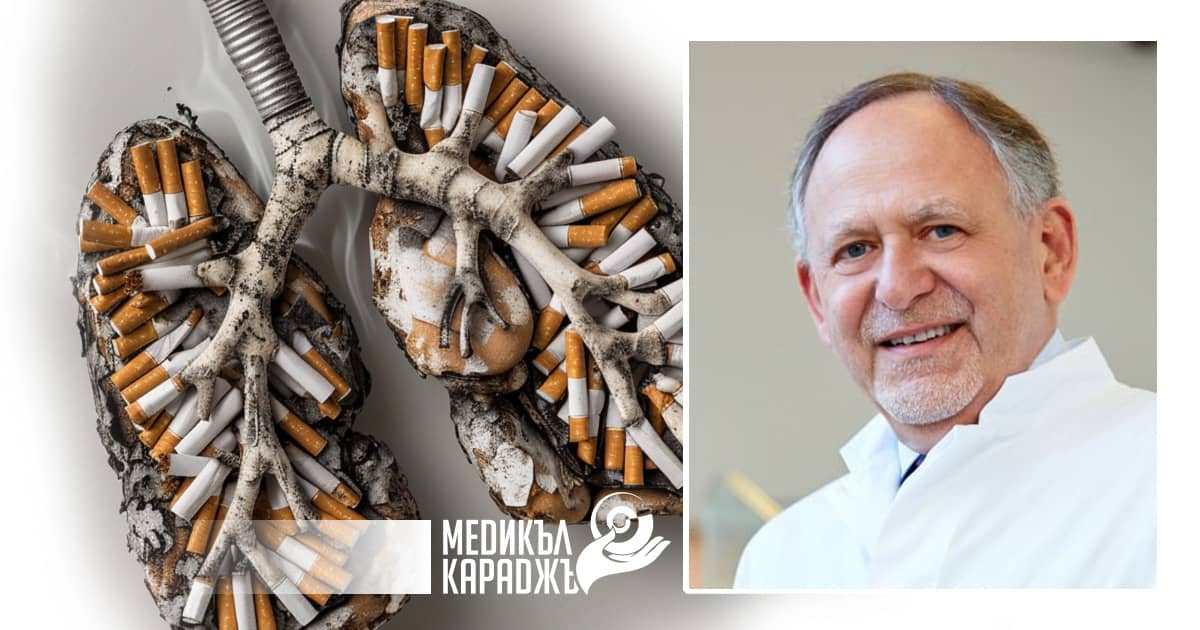
We are seeing the results of long-term smoking among people who started this practice in the 70s and 80s, who are now facing a lung cancer diagnosis. We are currently encountering an „avalanche“ of cases. Lung cancer stands out as the leading cause of mortality in Central and Southeastern Europe, with the situation being particularly alarming in countries like Hungary, which has one of the highest mortality rates in the region.
- What challenges does cancer treatment face in Eastern Europe?
I believe one of the key problems is the limited accessibility to modern medicines in Eastern Europe, while access in Austria is significantly better. Although the registration of medications is carried out by the European Medicines Agency in Amsterdam, the decision to reimburse them is made at the national level. In Austria, the process from registration to reimbursement approval takes approximately 100 days. However, in some Eastern European countries, this period can extend up to 1000 days – ten times longer, which is a full three years. We have examples, such as medications for breast cancer, which were not reimbursed for eight to ten years.