
What does chronic wound treatment mean?
Chronic wounds are a serious medical problem that can lead to pain, limited mobility, and a reduced quality of life. Treatment aims to promote healing and prevent infection.
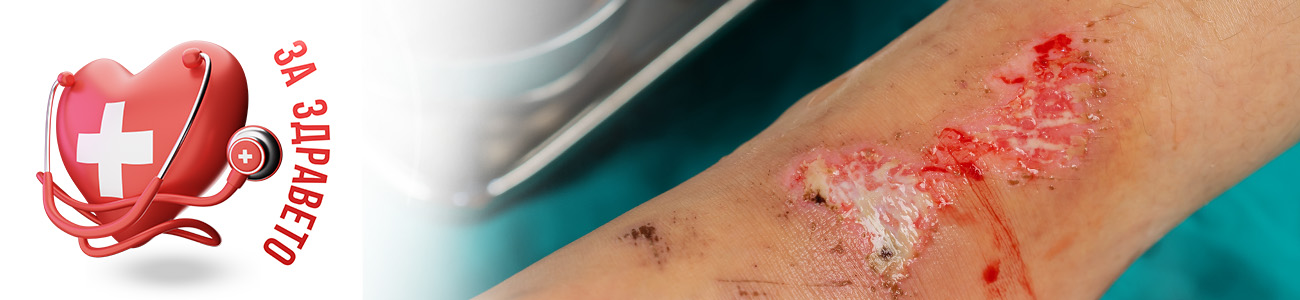
A wound is considered chronic if it heals slowly or not at all. If a wound does not close within 4-6 weeks despite treatment, it is defined as chronic. These wounds are often associated with underlying medical conditions such as diabetes, vascular diseases, or immune system disorders.
Treatment usually requires a multidisciplinary approach – control of the underlying disease, optimization of the nutritional regimen, specialized wound care, and in some cases, surgical intervention.
When conservative methods do not yield results, surgical treatment may be necessary – for example, skin grafts or flap reconstructions. The main goal is tissue restoration, infection prevention, and improvement of the quality of life.
Examples of chronic wounds – types and severity
- Diabetic foot Diabetic foot ulcers are a common complication of diabetes. They are slow to heal and, if left untreated, can lead to gangrene. It is estimated that about 15% of patients with diabetes develop a diabetic foot at least once in their lifetime.
- Bedsores (pressure ulcers) – Prolonged pressure on certain areas of the body leads to soft tissue damage. If no measures are taken, necrosis and ulcers can develop. Moisture, infection, friction, poor general condition, advanced diabetes, and swelling increase the risk.
- Venous ulcers Problems with venous circulation can lead to chronic wounds on the lower legs. They usually appear around the ankles, are often painful and itchy. Without treatment, they can become infected and worsen.
- Arterial ulcers Caused by reduced blood flow due to narrowed or blocked arteries (e.g., in peripheral artery disease). They most often appear on the toes or heels and can be deep and difficult to heal.
What are the causes of chronic wounds?
Slow-healing wounds can be caused by:
- Diabetes Mellitus
- Vascular blockages
- Bedsores
- Burns
Other factors include:
- Obesity
- Smoking
- Deterioration of general health condition
- Advanced age
- Oncological diseases
- Medication use (e.g., corticosteroids, chemotherapy)
Poor nutrition, stress, and reduced blood circulation also hinder the normal healing process.
How are chronic wounds treated?
The approach depends on the type, severity, and general condition of the patient. The most commonly used methods include:
- Wound cleaning (debridement) – Removal of dead or damaged tissue to promote healing. Can be surgical, enzymatic, or autolytic.
- Bandages Specialized dressings are used – foam, hydrocolloid, alginate, etc. – which maintain an optimal moist environment.
- Negative Pressure Therapy A special vacuum system is applied, which promotes the formation of new tissue and reduces swelling.
- Hyperbaric oxygen therapy The patient is breathing pure oxygen in a hyperbaric chamber, which increases oxygen levels in the tissues and stimulates recovery.
- Compression therapy Bandages or stockings are used to improve venous circulation and reduce swelling.
- Leather inserts and lamp In more severe cases, surgical wound coverage may be necessary.
- Medical treatment – Antibiotics for infection, painkillers, and other medications according to the condition.
Treatment process
Treatment requires coordination between different specialists. Hospitalization may be necessary in advanced cases.
Basic steps:
- Blood sugar control in diabetes
- Microbiological examination (culture) when infection is suspected
- Removal of necrotic tissue
- Preservation of viable tissues
- A suitable diet plan prepared by a dietitian
Treatment of infections in chronic wounds
Antibiotics are used topically or orally for confirmed infections. However, their excessive use can lead to antibiotic resistance.
Alternative approaches include:
- Antimicrobial dressings
- Local antiseptics (iodine, hydrogen peroxide, silver preparations)
Stages of chronic wound healing
- Hemostasis – stopping bleeding and clot formation.
- Inflammation – redness, swelling, and activation of immune cells.
- Proliferation – formation of new tissue and blood vessels.
- Maturation (remodeling) – final closure of the wound and scar formation.
Risks of a tendon transfer surgery on the hand
- Infection
- Nerve damage
- Thrombosis
- Scars
- Rupture of the transferred tendon
- Rigidity
- Allergic reactions to anesthesia
Postoperative rehabilitation and physical therapy are key to restoring function.
Anyone who needs more information or assistance with surgical treatment abroad for similar conditions can contact us at tel. 0878500730.