

Multiple myeloma - kWhat is the disease
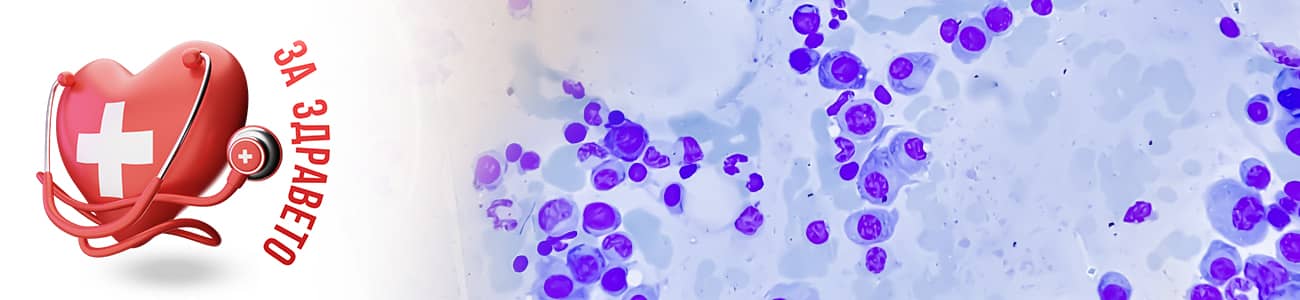
Multiple myeloma - type Malignant plasma cell disorder, which are found in the bone marrow and are responsible for antibody production. In this condition, these cells begin to multiply uncontrollably, crowding out normal cells and leading to:
- bone damage (frequent fractures and pain);
- anemia and chronic fatigue;
- kidney function disorders;
- weakened immunity and increased susceptibility to infections.
Distribution and statistics
- According to World Health Organization (WHO) и Global Cancer Observatory (IARC), annually are diagnosed over 160,000 new cases on multiple myeloma worldwide.
- Illness is increasing and is expected to 2045. cases to increase by about 70 %, and mortality – with 79 %.
- The average age at diagnosis is 68–70 years. Men are affected slightly more often than women.
- В Bulgaria the incidence of the disease is growing by about 2.6 % per year According to data from ScienceDirect, 2024).
- The five-year survival rate for patients with myeloma varies between 50 and 60 %, but with early diagnosis and modern treatment it can reach 80 % in the initial stage.
Latest treatment approaches
In 2025, international hematology associations (EHA, NCCN, ESMO) introduced updated recommendations for diagnosis and therapy of multiple myeloma:
New diagnostic standards
- Blood tests are replacing most older urine tests.
- Assessment under the new system R2-ISS, which measures genetic and biochemical markers for a more accurate prognosis.
- Minimal residual disease (MRD-negativity) is now used as a primary criterion for deep remission.
Modern Therapeutic Options
- Combined modes (quadruple therapies) – including targeted medications and monoclonal antibodies.
- Autologous bone marrow transplant – a primary method for patients in good general condition.
- CAR-T cell therapy и bispecific antibodies – are applied in some leading oncohematology centers in Europe and Turkey.
- Maintenance therapy – medications for bone resorption control, infection prevention, and quality of life improvement.
Multiple myeloma treatment abroad
More and more patients from Bulgaria are choosing treatment abroad, as some innovative therapies and clinical trials are not yet available in our country.
- treatment in Turkey – Centers with JCI accreditation, access to CAR-T and immunomodulatory therapies, qualified hematologists, and modern equipment.
- Austria – specialized clinics for stem cell transplantation and clinical research.
- Spain – traditionally strong hematology schools with high survival rates.
The benefits of treatment abroad include:
- quick access to innovative drugs and protocols;
- personalized therapy based on genetic profile;
- Comprehensive care – hematologist, nephrologist, orthopedist, and dietitian as a team when needed;
- Coordinated follow-up care after returning to Bulgaria.
What to consider when choosing a clinic
- Confirmed International Accreditation (JCI, ISO, TEMOS).
- Qualified medical team.
- Individual post-treatment follow-up plan.
- Organizational assistance from a Medical Karadži coordinator.
Timely treatment saves lives
Multiple myeloma develops gradually, but any delay in diagnosis increases the risk of irreversible bone and kidney damage.
Why trust Medical Karagea
- We assist with Medical treatment abroad (treatment in Turkey) – from initial inquiry to stay and follow-up.
- We work with prestigious Oncohematology centers abroad.
- We provide assistance with logistics, hotel accommodation, and constant contact with the hospital.