

In vitro fertilization with genetic diagnostics PGD / PGT

In vitro fertilization with genetic diagnostics is a high-tech and precise method that allows for genetic analysis of embryos before their transfer to the uterus. This makes it possible to select only healthy embryos, thereby increasing the chances of a successful pregnancy and preventing the transmission of hereditary diseases. This practice is known as preimplantation genetic diagnosis (PGD) or screening (PGT).

Meaning of the method
The method is especially important for:

  • couples with recurrent spontaneous abortions;
  • carriers of genetic diseases such as thalassemia, spinal muscular atrophy, and cystic fibrosis;
  • women planning pregnancy at an older age.

Genetic analysis allows for the selection of embryos with normal chromosomal structure, which increases the chances of a healthy and successful pregnancy.

Who is suitable for in vitro fertilization with genetic diagnostics?

  • Two carriers of genetic diseases
  • Women with recurrent spontaneous abortions
  • Women of advanced reproductive age with a higher risk of chromosomal abnormalities
  • Patients with previous unsuccessful IVF attempts due to genetic abnormalities

Preimplantation genetic testing (PGT)

  • Standard in vitro fertilization – collection and fertilization of eggs in a laboratory.
  • Embryo culture to day 5 (blastocyst).
  • Taking a few cells from each embryo for genetic analysis.
  • Selection of the healthy embryo for transfer into the uterus.

This method increases the success rate and the probability of delivering a healthy child. The procedure is performed under strict laboratory control and monitoring by experienced specialists, which makes it safe and effective in assisted reproduction.
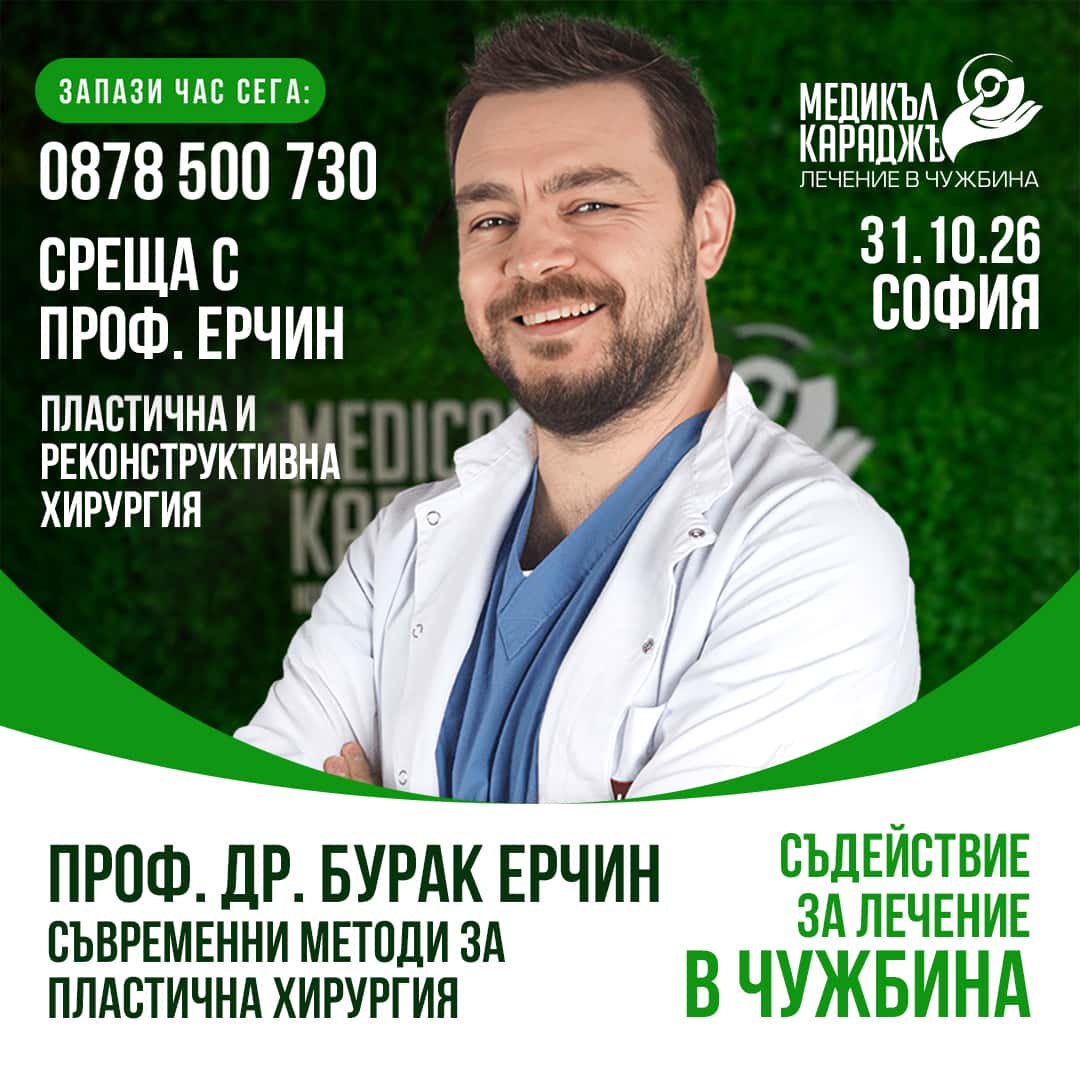
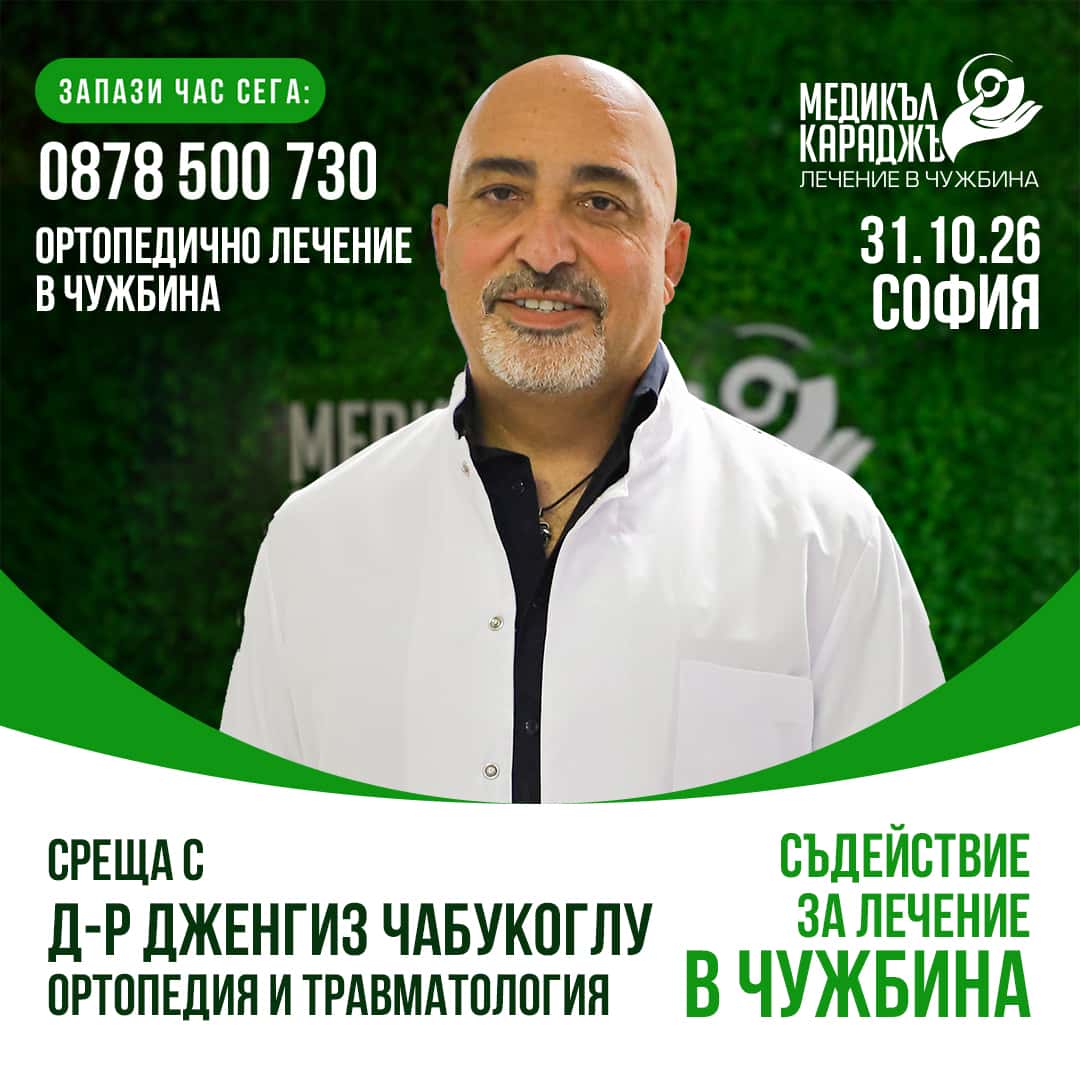
See the following specialists,
who are visiting us

Schedule a free consultation with an IVF specialist.
FOR THE FIRST POSSIBLE DATE!

Send us basic information about your condition, and we will contact you as soon as possible to inform you about possible dates and times for FREE MEETINGS WITH MEDICAL SPECIALISTS.

"*" indicates required fields

Name and surname*
Drop files here or
Accepted file types: jpg, pdf, Max. file size: 3 MB, Max. files: 6.

    Leave a comment

    You will find it interesting:

    Anyone who is trying to conceive but experiencing infertility can undergo in vitro fertilization (IVF). This includes: * **Individuals or couples with infertility:** This is the most common reason for IVF. Infertility can be caused by various factors in both men and women, such as: * **Ovulation disorders:** Irregular or absent ovulation. * **Fallopian tube damage or blockage:** This prevents the egg from reaching the uterus or sperm from reaching the egg. * **Endometriosis:** A condition where uterine tissue grows outside the uterus. * **Uterine or fibroid problems:** Abnormalities in the uterus that can interfere with implantation. * **Low sperm count or poor sperm motility:** Difficulty for sperm to fertilize an egg. * **Unexplained infertility:** When the cause of infertility cannot be identified. * **Individuals or couples with genetic disorders:** IVF can be used in conjunction with preimplantation genetic testing (PGT) to screen embryos for specific genetic conditions before implantation, ensuring that the child will not inherit certain inherited diseases. * **Single individuals or same-sex couples:** With advancements in assisted reproductive technologies, single individuals and same-sex couples can also pursue parenthood through IVF, often using donor sperm or donor eggs. * **Individuals who wish to preserve fertility:** People undergoing medical treatments like chemotherapy or radiation that may affect their fertility can opt for IVF before treatment to preserve their eggs, sperm, or embryos for future use. It's important to note that specific eligibility criteria and legal regulations regarding IVF can vary by country and clinic. Consulting with a fertility specialist is the best way to determine if IVF is the right option for you.

    Useful links:

      Our offices at home and abroad:

      Head office Sofia:

      Str. General Ivan Kolev, 33 B Bulgaria, Sofia

      Plovdiv office:

      Blvd. Hristo Botev 92, RILON Business Centre, floor 2 Bulgaria, Plovdiv

      Plovdiv Province

      Smolyan Province:

      Office Burgas:

      Str. Ivan Vazov 75 Bulgaria, Burgas 8000

      Stara Zagora Office:

      2 Zachary Knyazheski Street,
      Bulgaria, Stara Zagora

      Shumen Office:

      Str. Panayot Volov No.2 Bulgaria, Shumen.

      Macedonia Office:

      Bane Andreev Ronkata #2, 1400 Veles, Macedonia